Home › Books › A Good Time to Be Born: How Science and Public He…
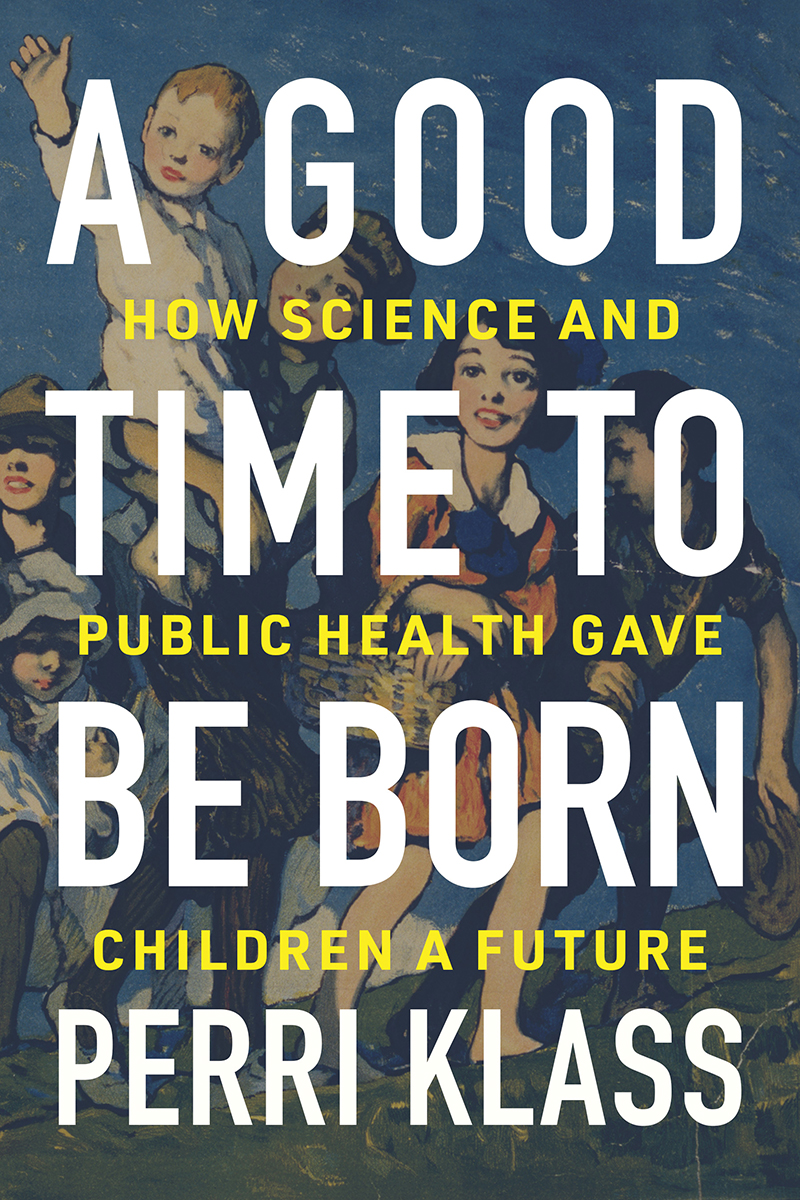
A Good Time to Be Born: How Science and Public Health Gave Children a Future
by


57/99
Critics
40/99
Readers
n/a
Scholars
62/99
Rating
52/99
Volume
62/99
Rating
18/99
Volume
—
Sign in to add to your shelf, rate, or review this book.
About This Book
The fight against child mortality that transformed parenting, doctoring, and the way we live. Only one hundred years ago, in even the world's wealthiest nations, children died in great numbers―of diarrhea, diphtheria, and measles, of scarlet fever and tuberculosis. Throughout history, culture has been shaped by these deaths; diaries and letters recorded them, and writers such as Louisa May Alcott, W. E. B. Du Bois, and Eugene O'Neill wrote about and mourned them. Not even the powerful and the wealthy could escape: of Abraham and Mary Lincoln's four children, only one survived to adulthood, and the first billionaire in history, John D. Rockefeller, lost his beloved grandson to scarlet fever. For children of the poor, immigrants, enslaved people and their descendants, the chances of dying were far worse. The steady beating back of infant and child mortality is one of our greatest human achievements. Interweaving her own experiences as a medical student and doctor, Perri Klass pays tribute to groundbreaking women doctors like Rebecca Lee Crumpler, Mary Putnam Jacobi, and Josephine Baker, and to the nurses, public health advocates, and scientists who brought new approaches and scientific ideas about sanitation and vaccination to families. These scientists, healers, reformers, and parents rewrote the human experience so that―for the first time in human memory―early death is now the exception rather than the rule, bringing about a fundamental transformation in society, culture, and family life.
Preview
Reviews
"Klass describes inequality and racism with a quiet, powerful rage that underscores the shameful political truths that continue during our contemporary plague ..."
"Klass brings exceptional and compassionate writing skills to an exploration of the hazards of early life, using stories of both rich and poor families before the 20th century to show how precarious children's lives were at that time ..."
"Pediatrician Klass chronicles a somber history of child mortality and profiles the many individuals whose breakthroughs changed the tragic trajectory of infant and maternal death ..."
"However, it was also clear that the poor, immigrants, Indigenous peoples, and African Americans would suffer the most ..."
"The result of Klass's erudition and nuance is a fascinating look at a seldom-sung but profound change in the human condition."
Reader Reviews
0 reviewsSign in to write a review.
No reader reviews yet. Be the first!