Home › Books › Fossil Men: The Quest for the Oldest Skeleton and…
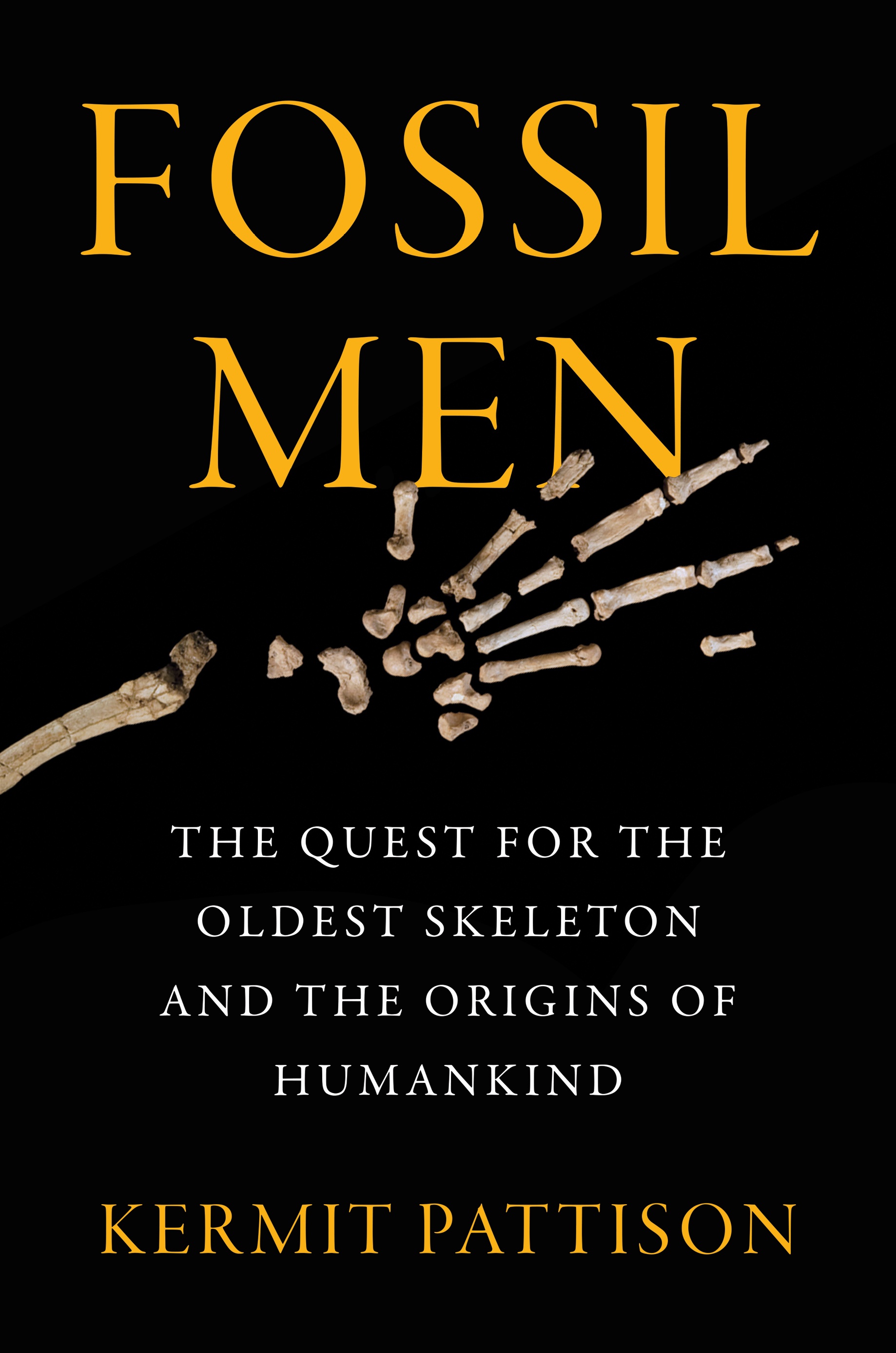
Fossil Men: The Quest for the Oldest Skeleton and the Origins of Humankind
by

72/99
Critics
62/99
Readers
n/a
Scholars
60/99
Rating
84/99
Volume
64/99
Rating
61/99
Volume
—
Sign in to add to your shelf, rate, or review this book.
About This Book
A behind-the-scenes account of the discovery of the oldest skeleton of a human ancestor, named "Ardi"--a find that shook the world of paleoanthropology and radically altered our understanding of human evolution. In 1994, a team led by fossil-hunting legend Tim White--"the Steve Jobs of paleoanthropology"--uncovered the bones of a human ancestor in Ethiopia's Afar region. Radiometric dating of nearby rocks indicated the skeleton, classified as Ardipithecus ramidus, was 4.4 million years old, more than a million years older than "Lucy," then the oldest known human ancestor. The findings challenged many assumptions about human evolution--how we started walking upright, how we evolved our nimble hands, and, most significantly, whether we were descended from an ancestor that resembled today's chimpanzee--and repudiated a half-century of paleoanthropological orthodoxy. Fossil Men is the first full-length exploration of Ardi, the fossil men who found her, and her impact on what we know about the origins of the human species. It is a scientific detective story played out in anatomy and the natural history of the human body. Kermit Pattison brings into focus a cast of eccentric, obsessive scientists, including one of the world's greatest fossil hunters, Tim White--an exacting and unforgiving fossil hunter whose virtuoso skills in the field were matched only by his propensity for making enemies; Gen Suwa, a Japanese savant who sometimes didn't bother going home at night to devote more hours to science; Owen Lovejoy, a onetime creationist-turned-paleoanthropologist; Berhane Asfaw, who survived imprisonment and torture to become Ethiopia's most senior paleoanthropologist and who fought for African scientists to gain equal footing in the study of human origins; and the Leakeys, for decades the most famous family in paloanthropology. An intriguing tale of scientific discovery, obsession and rivalry that moves from the sun-baked desert of Africa and a nation caught in a brutal civil war, to modern high-tech labs and academic lecture halls, Fossil Men is popular science at its best, and a must read for fans of Jared Diamond, Richard Dawkins, and Edward O. Wilson.
Preview
Reviews
"If you have ever been interested in the origins of humankind, Fossil Men is a must-read."
"His discussions of scientific theories and phenomena are sophisticated enough for the expert yet clear and understandable to the novice ..."
"It's a journalistic maxim that readers prefer personalities to events, and Pattison describes plenty of ambitious, media-savvy researchers whose often bitter hostility has stalled progress but makes for lively reading ...Pattison delivers a gripping and reasonably balanced account of the predictably hostile reception, and this remains a controversial interpretation, although it has made some converts ..."
"an exciting book, full of colorful personalities, momentous discoveries, and new ideas that challenge us to reconsider everything we believed about the evolution of humankind."
"Compelling science centered on a polarizing personality, this is perfect for National Geographic readers who want to dig deep into the human evolutionary tree."
"In his recounting of the characters and science involved in Ardi's discovery and the controversies that followed it, Pattison reveals the imperfect, all-too-human nature of science itself."
Reader Reviews
0 reviewsSign in to write a review.
No reader reviews yet. Be the first!