Home › Books › Overground Railroad: The Green Book and the Roots…
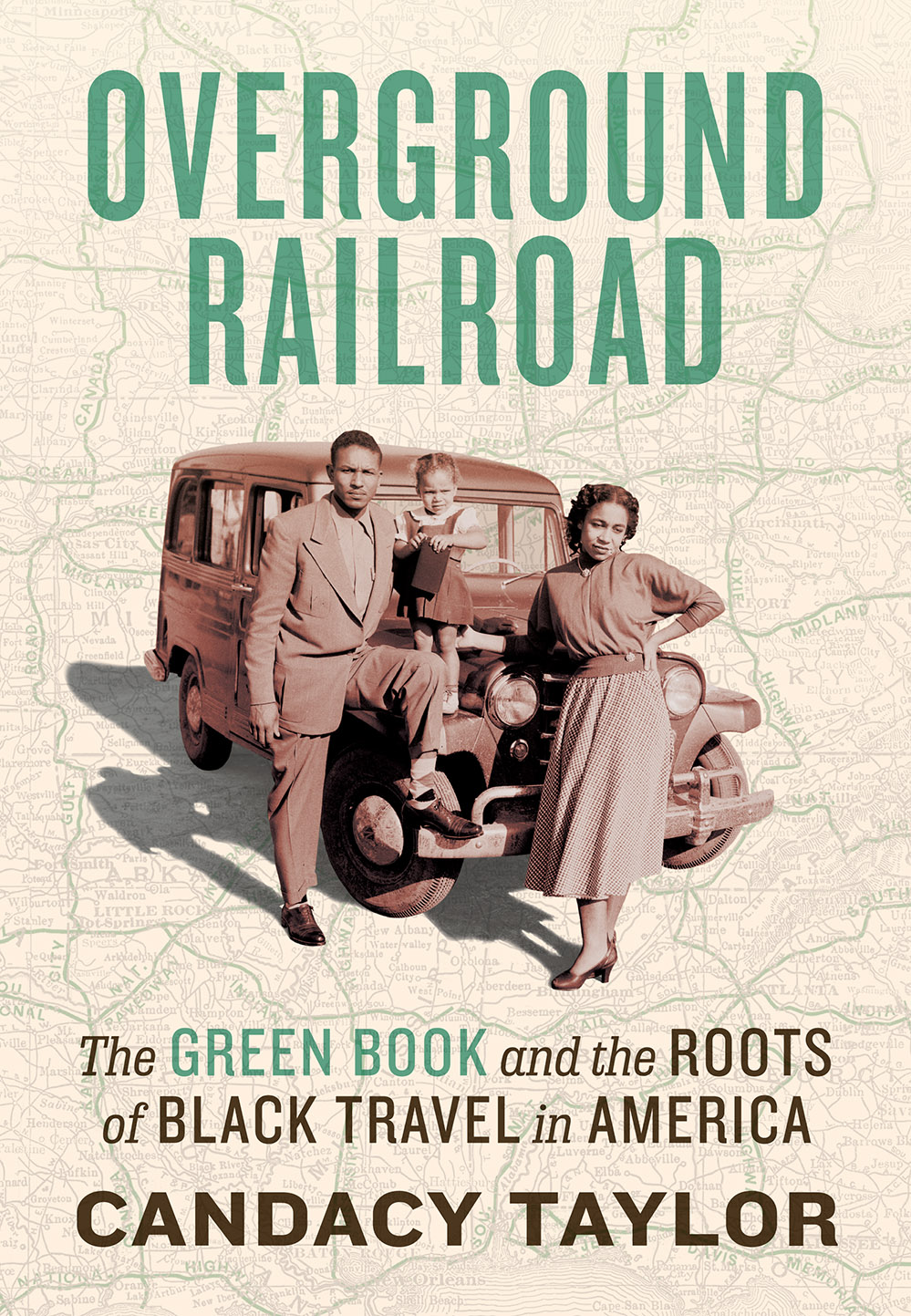
Overground Railroad: The Green Book and the Roots of Black Travel in America
by


48/99
Critics' Rating Index
87/99
Readers' Rating Index
91/99
Scholars' Citation Index
66/99
Volume of Reviews
61/99
Volume of Reader Ratings
Sign in to add to your shelf, rate, or review this book.
About This Book
The first book to explore the historical role and residual impact of the Green Book, a travel guide for black motorists Published from 1936 to 1966, the Green Book was hailed as the "black travel guide to America." At that time, it was very dangerous and difficult for African-Americans to travel because black travelers couldn't eat, sleep, or buy gas at most white-owned businesses. The Green Book listed hotels, restaurants, gas stations, and other businesses that were safe for black travelers. It was a resourceful and innovative solution to a horrific problem. It took courage to be listed in the Green Book, and Overground Railroad celebrates the stories of those who put their names in the book and stood up against segregation. It shows the history of the Green Book, how we arrived at our present historical moment, and how far we still have to go when it comes to race relations in America.
Reviews
"a fascinating history of black travel as chronicled in the Green Book, the popular and essential guidebook for African-Americans founded by Victor Green in 1936 ..."
"An enriching look at African American history through the lens of the black motorist, and as one of the few books on the subject, this is essential for most collections."
"[an] electrifying deep dive into the history of the Green Book ..."
"Her exhaustive exploration illuminates a lost network of vibrant hidden communities."
"This was a grueling, faith-testing journey of loss and heartbreak that enlarges and shapes her book's vision ..."
"Left unexplained...is what happened after the midcentury struggle for equal access to public accommodations ..."
Preview
Reader Reviews
0 reviewsSign in to write a review.
No reader reviews yet. Be the first!