Home › Books › Reality+: Virtual Worlds and the Problems of Phil…
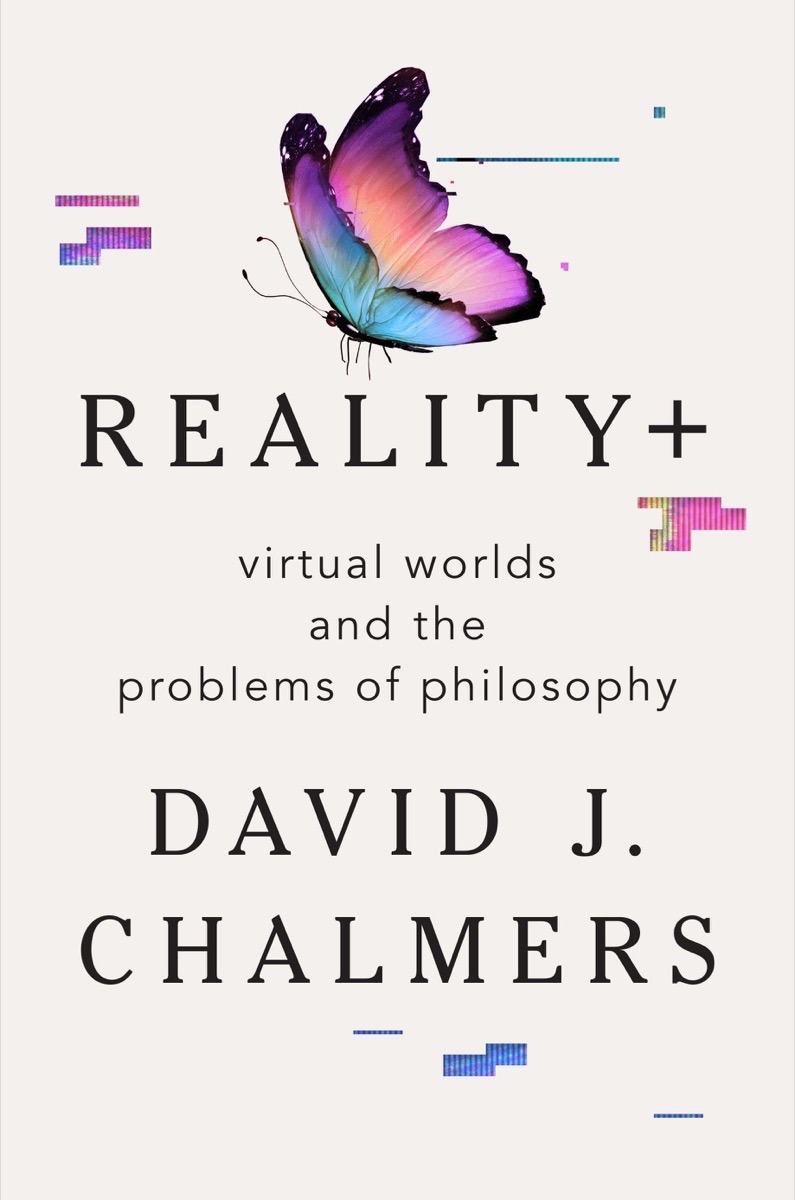
Reality+: Virtual Worlds and the Problems of Philosophy
by

44/99
Critics
36/99
Readers
n/a
Scholars
12/99
Rating
77/99
Volume
19/99
Rating
54/99
Volume
—
Sign in to add to your shelf, rate, or review this book.
About This Book
Virtual reality is genuine reality; that's the central thesis of Reality+. In a highly original work of "technophilosophy," David J. Chalmers gives a compelling analysis of our technological future. He argues that virtual worlds are not second-class worlds, and that we can live a meaningful life in virtual reality. We may even be in a virtual world already. Along the way, Chalmers conducts a grand tour of big ideas in philosophy and science. He uses virtual reality technology to offer a new perspective on long-established philosophical questions. How do we know that there's an external world? Is there a god? What is the nature of reality? What's the relation between mind and body? How can we lead a good life? All of these questions are illuminated or transformed by Chalmers' mind-bending analysis. Studded with illustrations that bring philosophical issues to life, Reality+ is a major statement that will shape discussion of philosophy, science, and technology for years to come.
Preview
Reviews
"Chalmers's central idea, that 'there is more to reality than we thought', is seductive, and I was surprised to find his arguments delightfully – or perhaps worryingly – convincing ..."
"Chalmers...is adept at making the hypothesis clear without sacrificing its complexity."
"Crafted with the general reader in mind, this is an object lesson in philosophical reasoning and a bold, often awe-inspiring discussion of its implications."
"his argument relies mostly on probabilistic analyses of what we would do with the power to produce full-universe simulations (his conclusion: we'd create millions of them)."
"This seems morally problematic, but Chalmers predicts, without affect, that it will happen anyway."
"Then take a red pill and join the resistance."
Reader Reviews
0 reviewsSign in to write a review.
No reader reviews yet. Be the first!