Home › Books › The Crime Without a Name: Ethnocide and the Erasu…
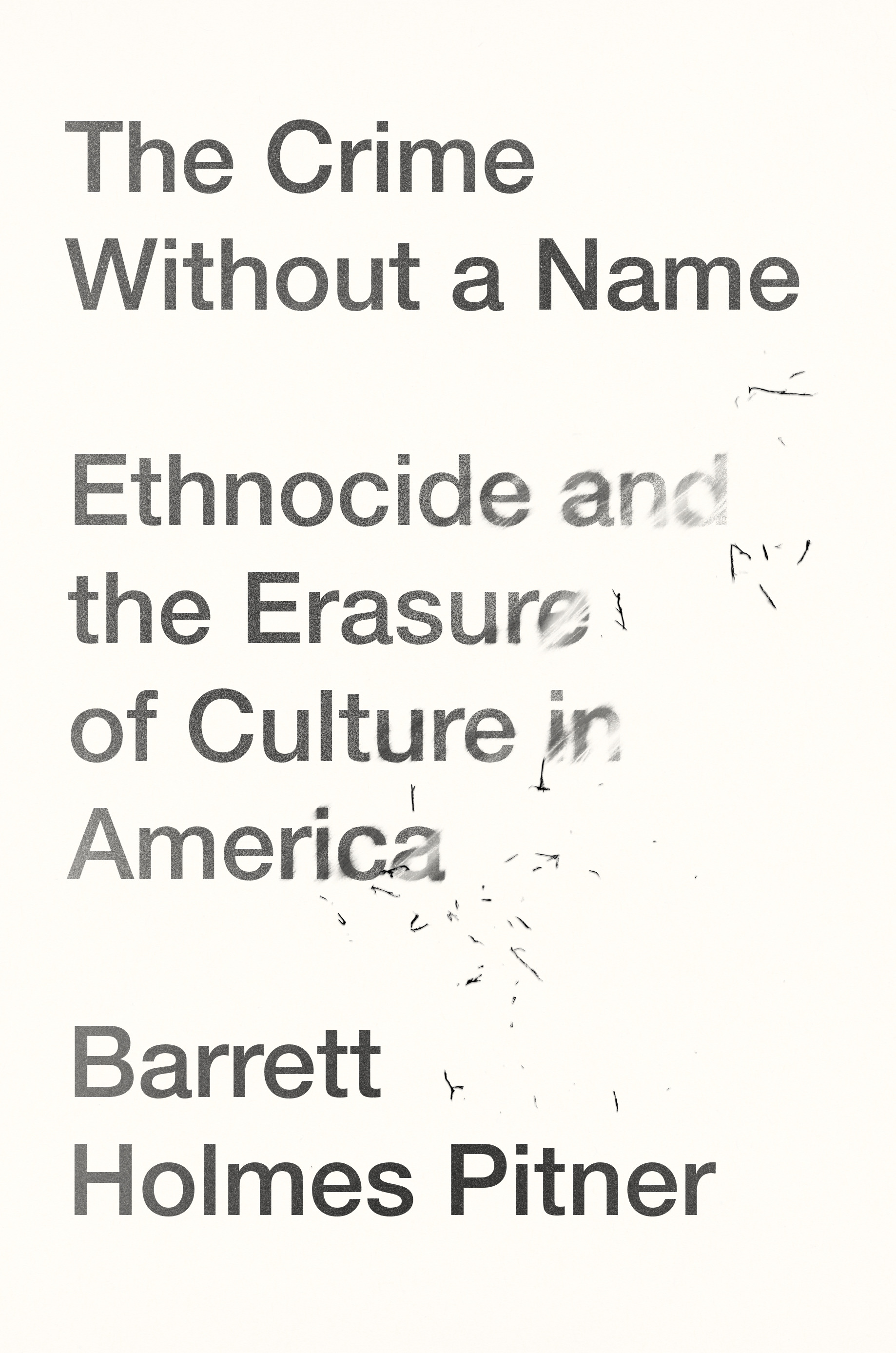
The Crime Without a Name: Ethnocide and the Erasure of Culture in America
by

35/99
Critics
48/99
Readers
n/a
Scholars
55/99
Rating
15/99
Volume
89/99
Rating
7/99
Volume
—
Sign in to add to your shelf, rate, or review this book.
About This Book
In this incisive blend of personal narrative and philosophical inquiry, journalist and activist Barrett Holmes Pitner seeks a new way to talk about racism in America.Can new language reshape our understanding of the past and expand the possibilities of the future? The Crime Without a Name follows Pitner's journey to identify and remedy the linguistic void in how we discuss race and culture in the United States. Ethnocide, first coined in 1944 by Jewish exile Raphael Lemkin (who also coined the term "genocide"), describes the systemic erasure of a people's ancestral culture. For Black Americans, who have endured this atrocity for generations, this erasure dates back to the transatlantic slave trade and reached new resonance in a post-Trump world. Just as the concept of genocide radically reshaped our perception of human rights in the twentieth century, reframing discussions about race and culture in terms of ethnocide can change the way we understand our diverse and rapidly evolving racial and political climate in a time of increased visibility around police brutality and systemic racism. The Crime Without a Name traces the historical origins of ethnocide in the United States, examines the personal, lived consequences of existing within an ongoing erasure, and offers ways for readers to combat and overcome our country's ethnocidal foundation.
Preview
Reviews
"Pitner draws on European philosophy movements to fill the linguistic void and analyze its bleak, often paradoxical effects."
"Intriguing historical tidbits, such as how the spiritual 'Kum Bah Yah' lost its original meaning as a call for God to rescue the Gullah people, buttress Pitner's analysis, but his optimistic conclusion that ethnocide is 'unsustainable' runs counter to his central argument that it is baked into American culture."
"At its best, this heavily researched book shimmers with creativity and intelligence, expertly balancing realism, optimism, and honesty."
Reader Reviews
0 reviewsSign in to write a review.
No reader reviews yet. Be the first!